
Every conversation about the future of HR begins, almost invariably, with addition. New capabilities to build. New skills to develop. New technology to adopt.
There was an implicit contract. No one signed it. No one even said it out loud. But every employee who joined your organisation believed it — felt it, really, in the texture of the onboarding, in the tone of the offer letter
There is a specific kind of organisational delusion that is harder to spot than failure. It looks like progress. It has dashboards. It has a vendor presentation. It even has a budget line.
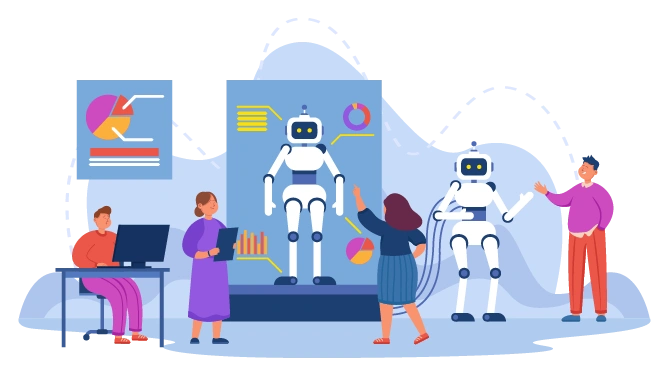
There is a boardroom conversation happening right now in thousands of organisations across the world. The CEO is talking about AI — the opportunity, the disruption, the urgency.
Every founder and leadership team preparing for an IPO knows what the investment bankers and lawyers are focused on. The financials: audited, clean, growth-narrative-ready.
For decades, the logic was simple and largely unquestioned: if you need C-suite expertise, you hire a C-suite executive. Full-time, full-salary, full commitment. The corner office.
Leadership is relentlessly romanticised. The boardroom. The big decisions. The vision statements and the standing ovations at all-hands meetings.
Here is a scenario that happens more often than any HR leader likes to admit. A high-performing employee - someone you considered a future leader, someone you had earmarked for the next promotion cycle - resigns.
There is a story that plays out in thousands of companies every quarter. A role opens. The job description is dusted off, updated minimally, and posted across every job board available.