Imagine this: You, the CHRO, are staring at two offer letters on your desk. One belongs to a new HR Business Partner, a seasoned professional with years of people management experience.
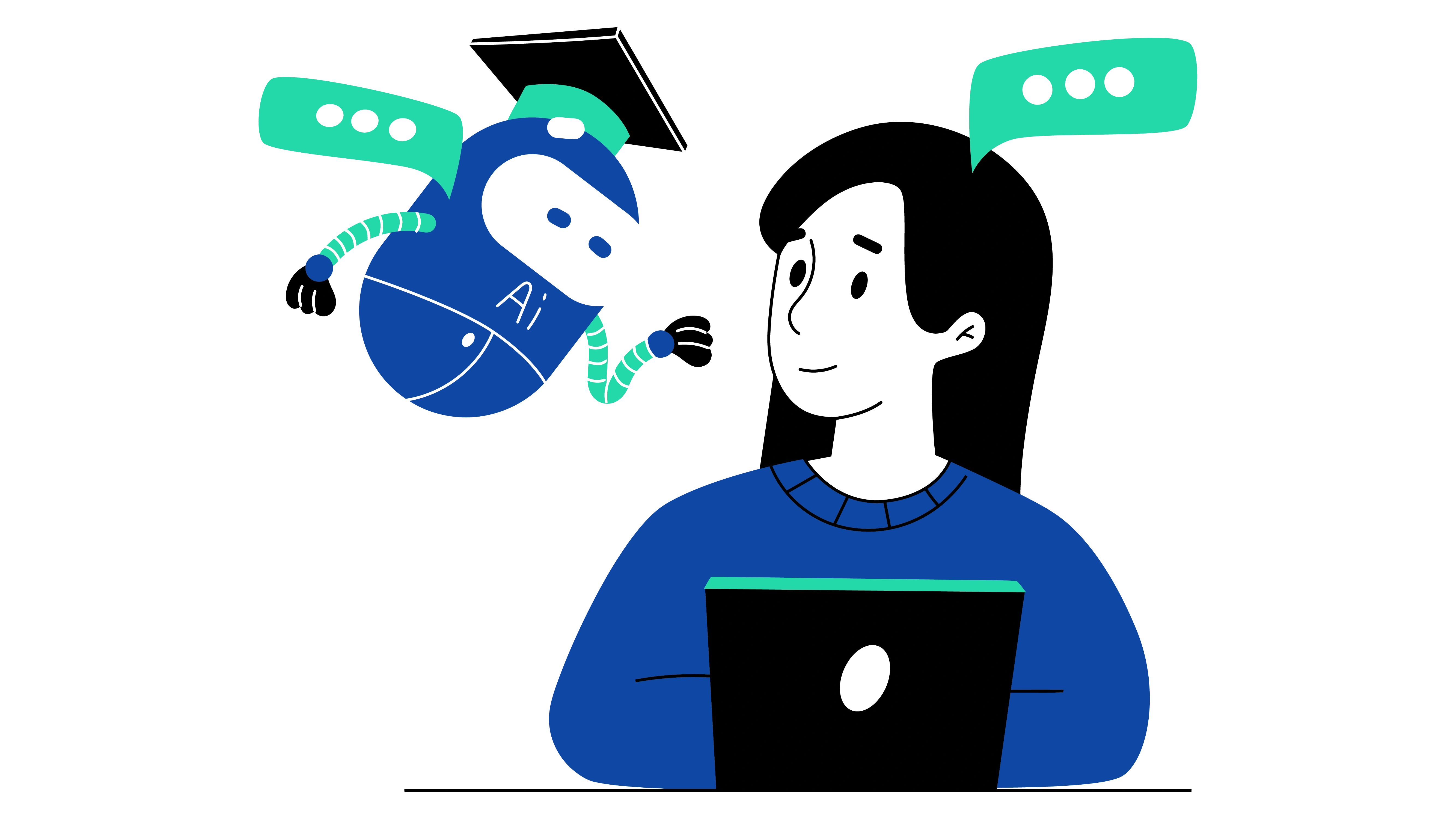
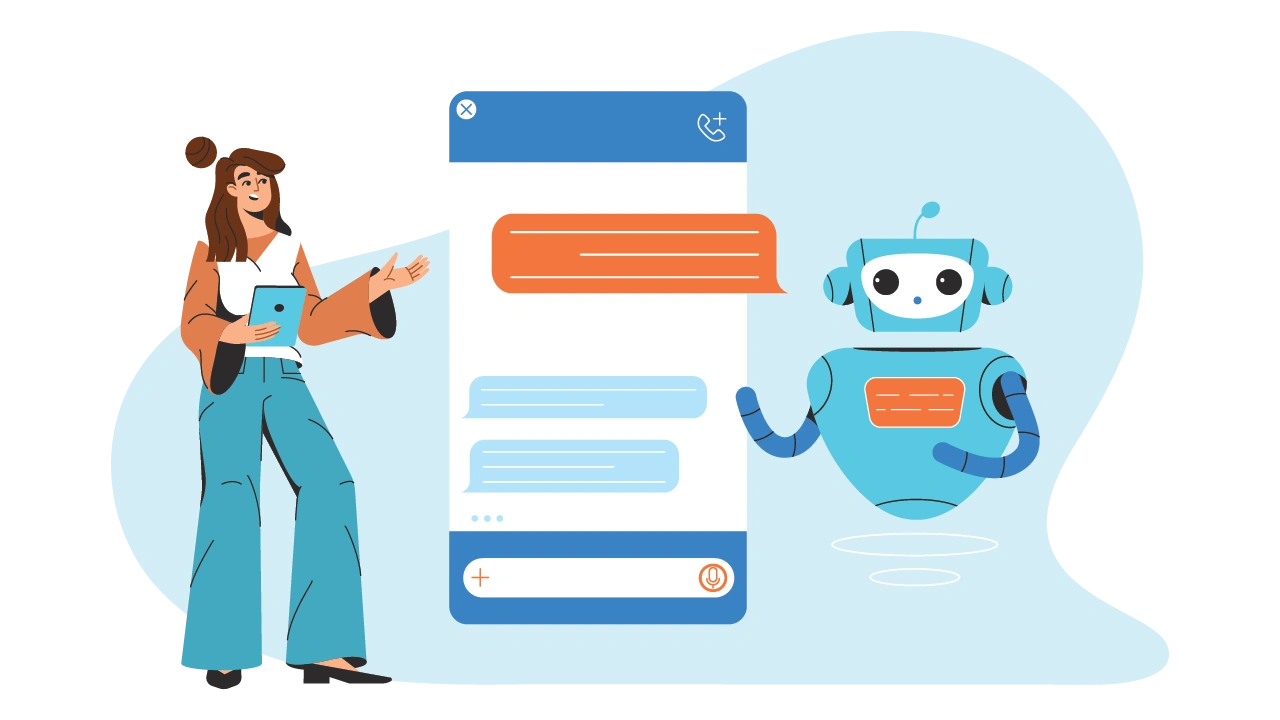
Once, chatbots greeted candidates with templated messages and scheduled interviews. Today, agentic AI in HR is no longer confined to scripted exchanges—it is autonomously screening applications, recommending hires, and guiding employee development.
Picture this: a candidate clicks “apply” on a job board and within seconds, an AI-powered system scans their resume , runs it against thousands of others, and delivers an automated rejection email. The process is lightning fast, efficient, and—completely impersonal.
This statement might sound dramatic, but it reflects a growing truth in today’s workplace. Roles, as we traditionally define them, are being broken down and reshaped into skills. With the acceleration of artificial intelligence (AI), the way organizations plan their workforce is shifting fundamentally.
The corporate landscape is undergoing a radical transformation, and at the heart of this change lies a fundamental re-evaluation of the Human Resources function. The archaic image of HR as a bureaucratic, administrative department—focused solely on compliance, payroll, and policy enforcement—is not just outdated; it's a active liability for any growth-oriented business.
Every day a position remains unfilled, organizations lose far more than just salary expenses. The hidden costs of delayed hiring include reduced productivity, missed project deadlines, and increased pressure on existing teams who are forced to take on extra responsibilities. For high-growth businesses, these inefficiencies can severely impact competitiveness and profitability.
In an era where yoga mats and meditation corners are no longer enough, organizations must elevate well-being from feel-good perks to strategic business pillars. In 2025, well-being is not just about yoga—it’s about outcomes, retention, engagement, and business resilience.
We are living through one of the most profound transformations in the world of work. The once-dominant full-time, long-term job model is being replaced by something far more dynamic and decentralized.
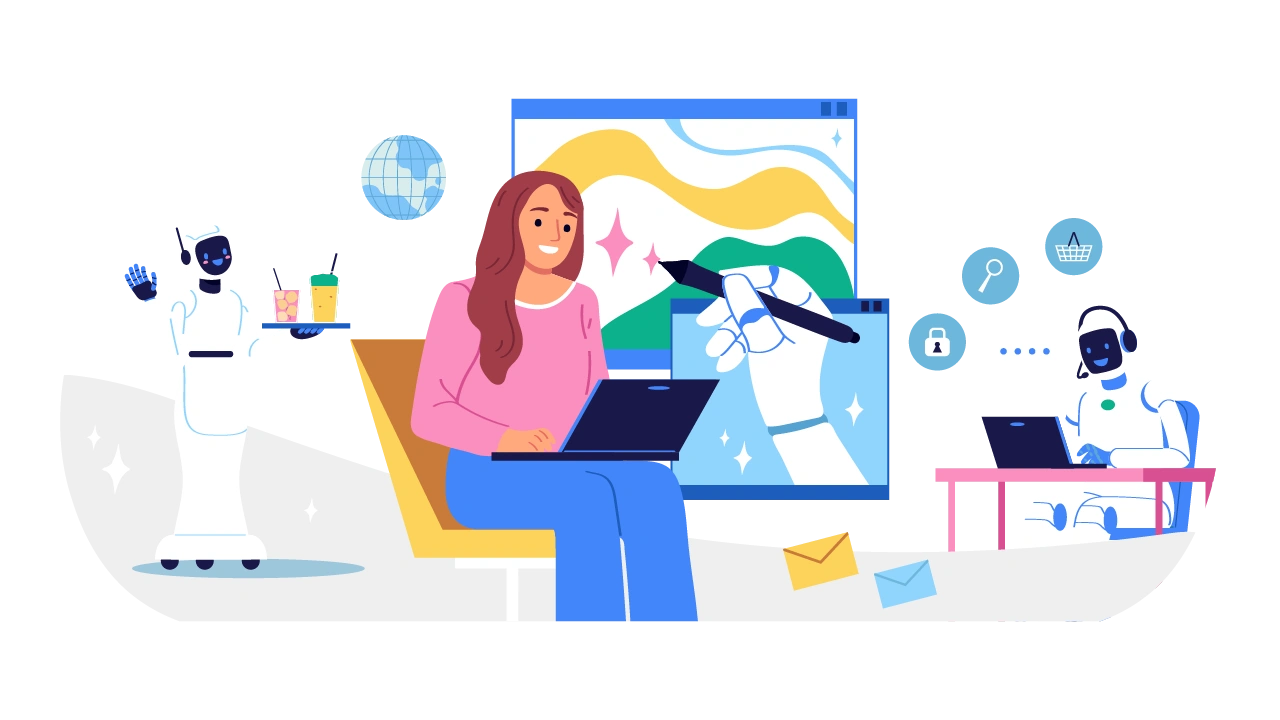
In today’s rapidly evolving work landscape, the arrival of Agentic AI in the workplace is shifting the way teams function, decisions are made, and work is delivered. No longer confined to being mere tools, advanced AI systems are beginning to exhibit traits associated with autonomy, decision-making, and initiative. They’re becoming more like colleagues — participating in workflows, managing tasks, and sometimes even interacting with clients or stakeholders.