
Has the Biggest One of Its Own
On the quiet crisis of HR's digital unreadiness — and why it is a business risk, not just an HR problem
There is a particular irony in the data that Gartner published in its 2026 research cycle, and it is the kind of irony that has real consequences for organisations that do not reckon with it honestly.
The function responsible for building capability across the organisation — for identifying skill gaps, designing development programmes, preparing the workforce for the future, and managing the talent lifecycle that everything else depends on — is operating with a confidence deficit in its own capabilities so significant that it is now measurable, documented, and sitting in a peer-reviewed research report. The healer needs healing. The capability builder has the most significant and least-discussed capability gap. And the organisation is paying for the delay in addressing it, even when it does not yet see the bill.
Fifty-nine percent of CHROs agree that limited digital skills within their own HR function are preventing it from evolving into an AI-first operation. This is not a comment about the broader organisation's readiness. This is HR leaders making an honest assessment of their own teams. The people who are supposed to be modelling digital fluency, piloting new ways of working, and demonstrating to the rest of the organisation what an AI-enabled future looks like — fifty-nine percent of them are being held back by the digital limits of their own function.
The downstream consequences of this are not abstract. Gartner's research on AI-driven work transformation finds that business units that redesign work around AI are twice as likely to achieve their revenue goals. The lever that unlocks that advantage is not the technology itself — it is the workforce strategy that surrounds the technology. The decision about who needs to develop what capabilities, in what sequence, with what support. The design of the change management architecture that makes adoption possible rather than merely mandated. The cultural work that shapes whether AI is experienced by the workforce as a tool for their development or a threat to their security. Every one of those levers is an HR lever. And the function that controls those levers is the one that is least equipped, by its own account, to pull them.
It is worth pausing on what "digital skills gap in HR" actually means at the ground level, because it tends to get abstracted in a way that makes it sound less serious than it is.
It means an L&D team that is comfortable designing training programmes but uncertain about how to use data from an LMS to identify which programmes are actually changing behaviour in the flow of work. It means a talent acquisition team that has implemented an AI-powered ATS but has not established what good looks like in terms of shortlist quality, and therefore has no way to know whether the AI is improving or simply accelerating existing biases. It means HRBPs who can access dashboards showing attrition rates and engagement scores but have not developed the analytical habit of asking what those numbers are actually saying about the underlying dynamics — which managers are producing disengagement, which roles have structural problems that compensation cannot solve, which departments are on a trajectory that the current pipeline cannot support.
It means, at the senior level, a CHRO who can talk fluently about the importance of people analytics but has not yet established what workforce data the organisation actually needs to make better decisions, who owns the quality of that data, and what the infrastructure for maintaining it over time looks like. The aspiration is genuine. The operational architecture that would make the aspiration real is absent.
This is not a condemnation. It is a description of where most HR functions actually are — including, almost certainly, the one reading this. The question is not how we got here. It is what we do now that we know, and what the cost of continuing to not act on what we know is going to be.
For organisations thinking about this concretely, there are three immediate interventions that the research supports.
The first is a capability audit of the HR function itself. Not of the rest of the organisation — of HR. What does each member of the team know how to do with data? What systems are they actually using versus what systems the organisation is paying for? Where are the dependencies — the single points of knowledge that sit with one person and leave the function exposed if that person leaves? This audit is uncomfortable to conduct because HR functions are not used to being on the receiving end of capability assessments. But it is foundational. You cannot build a development plan without an honest baseline.
The second is a deliberate sequencing of AI exposure within the HR team before deploying AI tools into the broader organisation. This sounds obvious, but it rarely happens. HR functions tend to implement AI tools for the business — AI screening in recruitment, AI coaching in L&D, AI analytics in engagement — without first building the team's capacity to evaluate, govern, and make good judgements about those tools. The result is AI adoption that is technically implemented and strategically ungoverned. The HR team lacks the fluency to know whether the tool is doing what it claims, what the edge cases are, and how to protect employees from the harms that ungoverned AI can produce.
The third is the AI strategy — not a technology roadmap, but a genuine strategic position on how this HR function will use AI, governed by what principles, measured against what outcomes, and developed in what sequence. Gartner's three-component model is a practical starting point: a defined vision (what kind of HR function are we building and what role does AI play in it), specific goals that have a technology component explicitly embedded, and metrics that were chosen before the tools were deployed rather than invented to justify them after. The strategy does not need to be comprehensive from the outset. It needs to be honest, specific, and genuinely connected to the organisation's actual talent challenges.
The Badgefree AI Suite is one of the most tangible India-context answers to the operational dimension of this challenge — built specifically to enable HR functions that are ready to move from aspiration to implementation, with tools designed for the actual complexity of Indian workforce management rather than adapted from global enterprise platforms that were built for a different context entirely.
But the tool is the last step, not the first. The first step is the honest acknowledgement that the function which everyone else looks to for capability development is the one that most urgently needs it right now. The function that assesses skill gaps across the organisation needs to be assessed. The function that designs development pathways needs one of its own.
The organisations that close this gap in the next eighteen months will have an HR function that is a genuine asset in the navigation of AI-driven work transformation. The ones that do not will have a function that is perpetually catching up — buying the next tool, attending the next conference, piloting the next experiment — while the gap between HR's aspiration and its capability grows in the space where the strategy should be.
The irony is real. But it is also, unlike most ironies, fixable.
59% of CHROs say limited digital skills within their own HR teams are preventing the function from evolving into an AI-first operation. The people responsible for building capability across the organisation are operating with the most significant and least-discussed capability deficit of their own.
The downstream cost is measurable: AI tool adoption without HR team fluency produces systems that are technically implemented and strategically ungoverned. The tool is live. The governance is absent. The risk is real.
The organisations that close this gap in the next eighteen months will have an HR function that is a genuine asset in navigating AI-driven transformation. The ones that do not will have a function that is perpetually catching up — piloting the next tool while the strategy gap grows.
SO…
“Has your HR team received the same AI readiness investment you are asking them to build across the rest of the organisation?”
Awareness workshops, readiness programmes, and access to the Badgefree AI Suite — the three-stage path to an AI-ready HR function. The healer needs healing first. We start there.





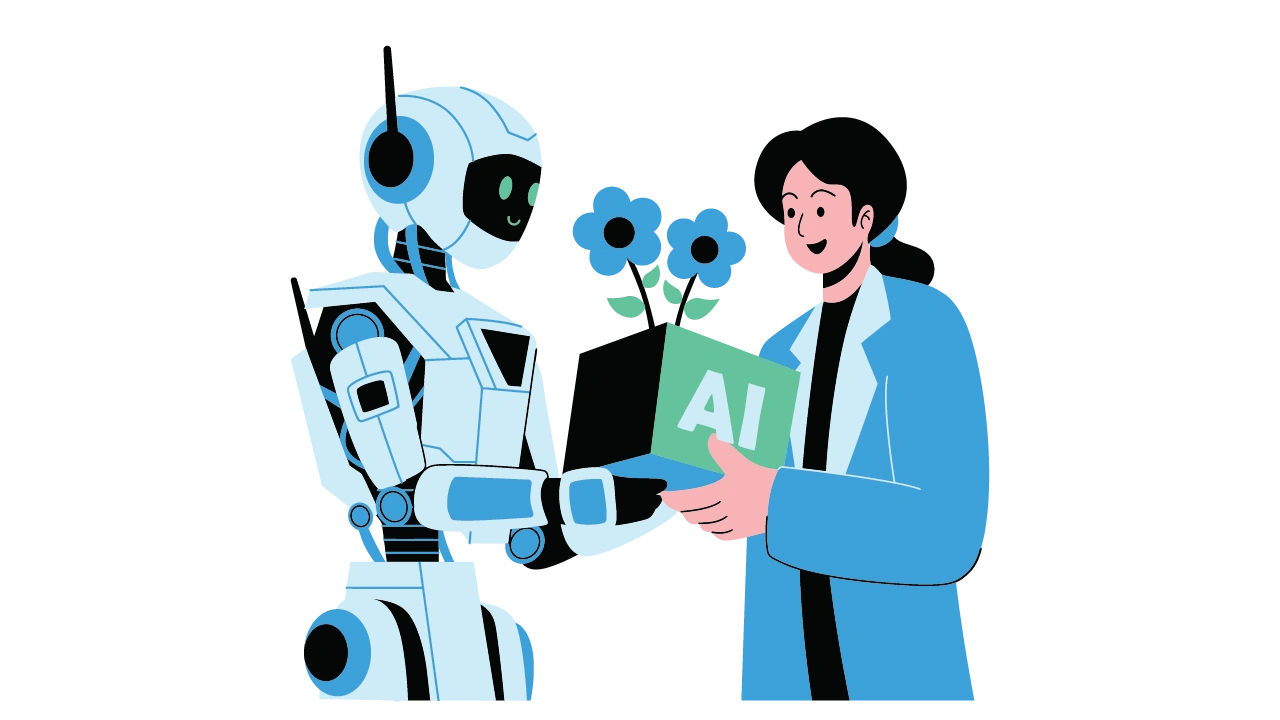
In today’s rapidly evolving work landscape, the arrival of Agentic AI in the workplace is shifting the way teams function, decisions...
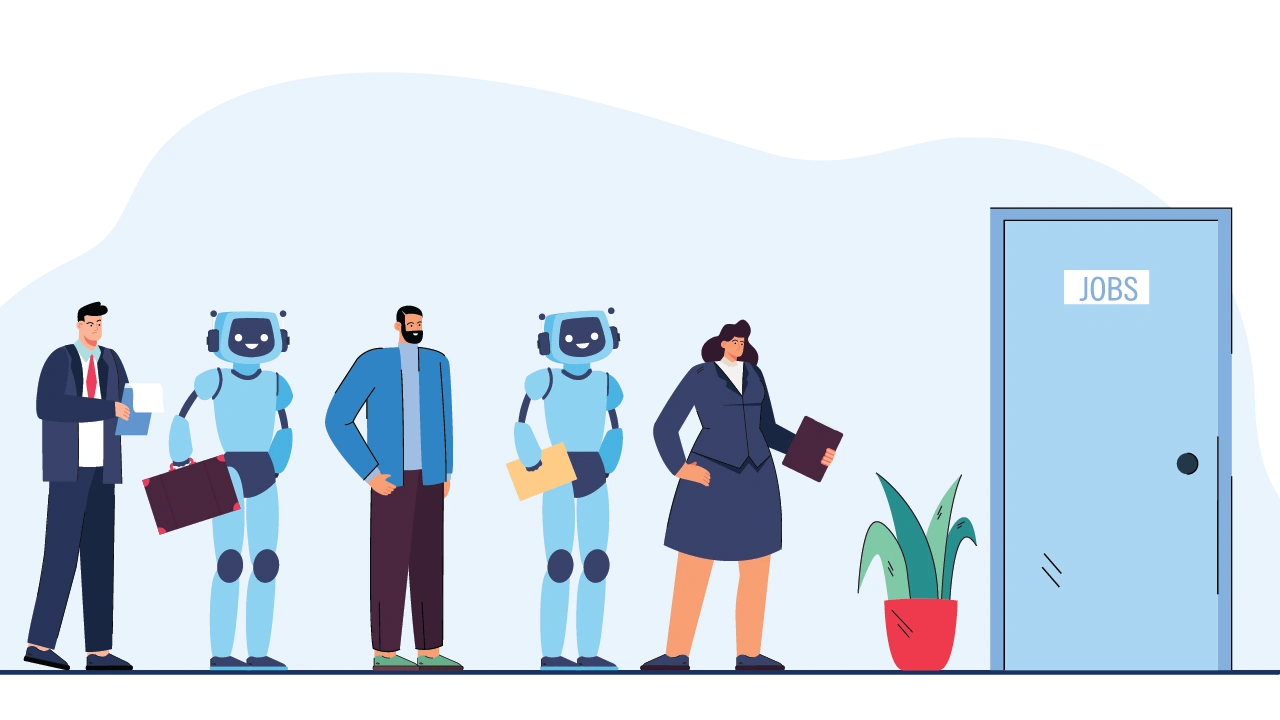
As artificial intelligence continues to reshape the workplace, a new frontier is emerging-one where human workers and AI agents...
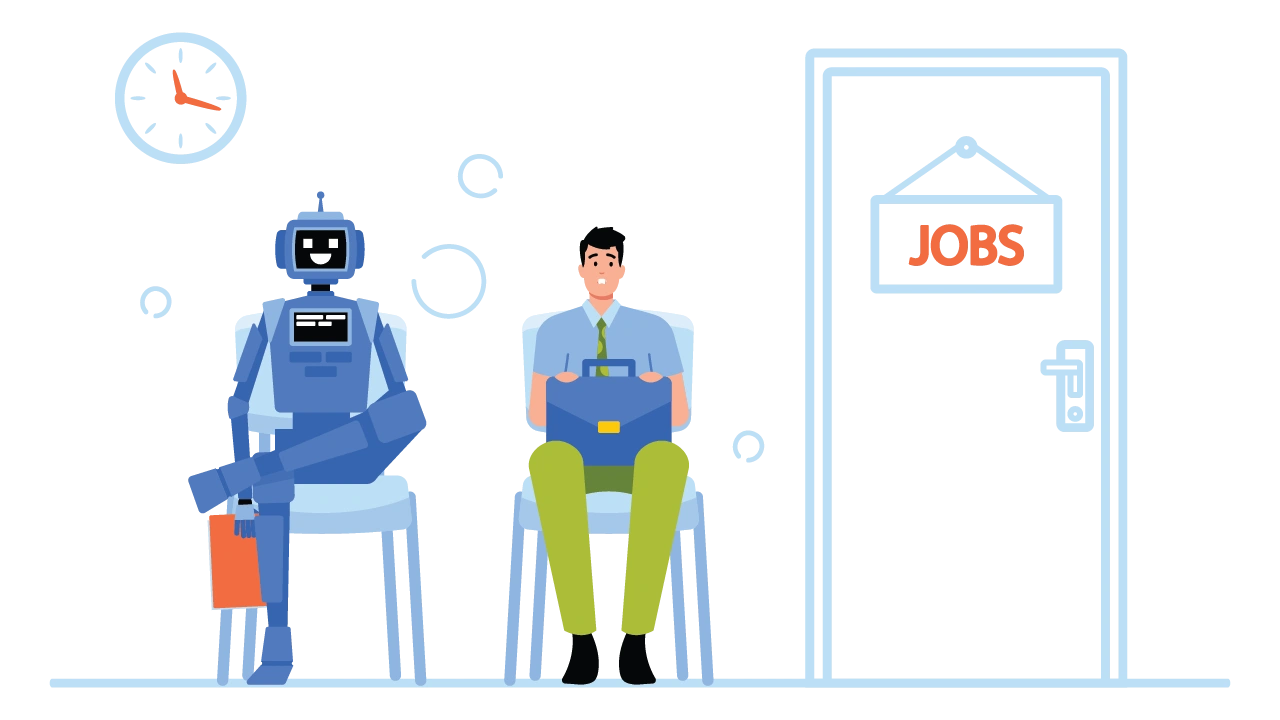
The “Future of Work” is no longer a distant vision—it’s today’s reality. In 2025, global organizations are navigating a landscape...

In a world where distributed teams are the norm rather than the exception, the role of culture is under the microscope like never before...
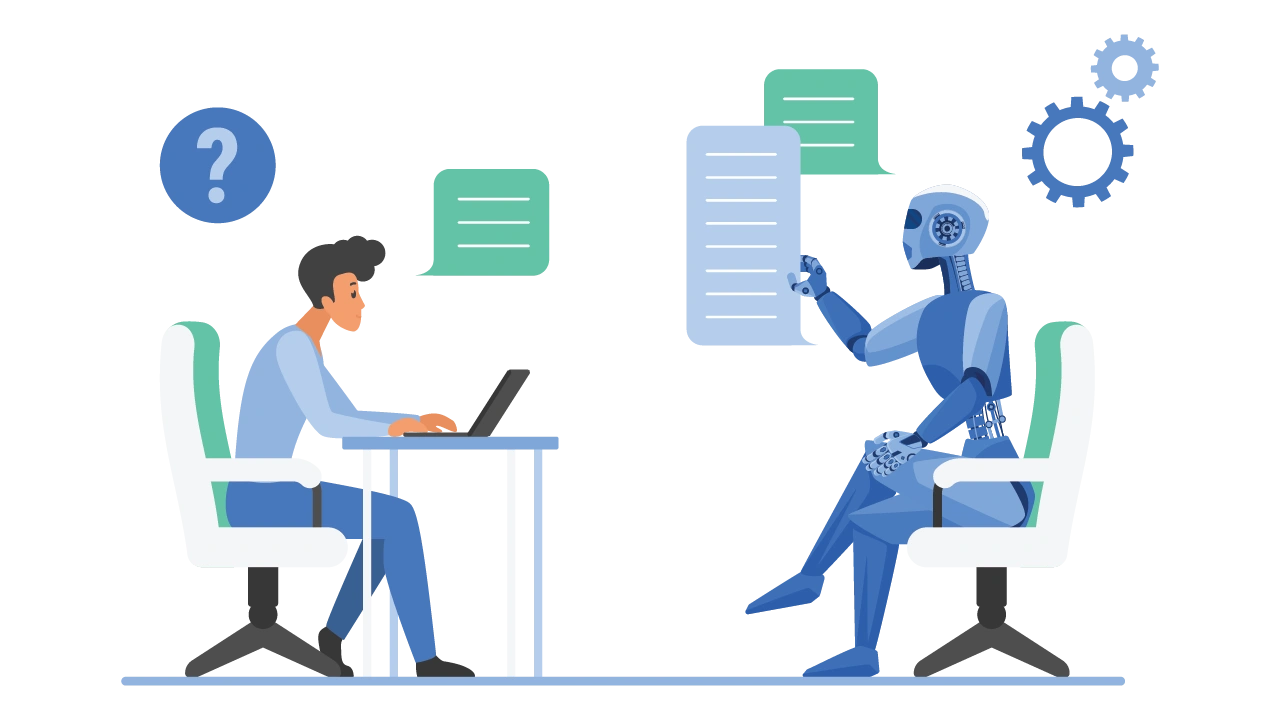
We hear about AI everywhere - from headlines about job losses to promises of supercharged productivity...

In today's dynamic and often unpredictable business landscape, growth is the ultimate aspiration for small and mid-sized enterprises (SMEs)...