

Hybrid work is no longer an experiment — it’s the new workplace reality. What began as a temporary response to global disruption has evolved into a preferred way of working for millions of employees worldwide. Today, organizations operate across homes, offices, and digital spaces, redefining how collaboration, engagement, and performance are managed.
For HR leaders, this transformation is both exciting and challenging. The question is no longer if hybrid work will stay, but how to make it sustainable. Managing dispersed teams requires a new mindset — one that blends flexibility with accountability and empathy with efficiency.
This article explores practical hybrid work HR strategies that help organizations manage remote and hybrid teams effectively, build trust, and foster a strong sense of belonging across physical and virtual workplaces.
Hybrid work has emerged as a cornerstone of the modern workplace because it aligns with what today’s employees value most — autonomy, purpose, and work-life balance. The freedom to choose where and how to work is now a defining factor in job satisfaction and talent retention.
Organizations have also realized that hybrid models can improve productivity, lower real estate costs, and tap into a broader talent pool. Yet, they bring new challenges in maintaining culture, communication, and fairness.
Employees no longer view flexibility as a perk; they see it as a baseline expectation. They want workplaces that trust them to deliver results without constant monitoring. At the same time, they seek psychological safety, equitable access to opportunities, and a culture of connection.
HR’s challenge is to bridge this gap — providing flexibility without compromising collaboration or consistency. This requires designing policies and people practices that make flexibility work for both individuals and the organization.
Hybrid work has reshaped HR’s role from enforcing rules to enabling experiences. HR leaders now serve as architects of culture, connection, and well-being across multiple work environments.
In the traditional office, HR’s focus was on compliance and control. In the hybrid world, the priority shifts to empowerment and adaptability. Instead of enforcing attendance or uniform schedules, HR now designs flexible frameworks that help employees do their best work from anywhere.
This includes offering hybrid-friendly benefits — like digital learning reimbursements, flexible hours, and remote wellness initiatives — and ensuring inclusive onboarding for all, regardless of location.
To make hybrid work sustainable, HR must align flexibility with performance and productivity goals. That means rethinking attendance norms, redefining performance measures, and using data-driven insights to guide decisions.
For example, instead of tracking hours, organizations can measure output quality, innovation levels, and team collaboration. By linking hybrid work to business success metrics, HR ensures flexibility is viewed not as a privilege, but as a strategic enabler.
In hybrid environments, communication is the glue that holds teams together. Without visibility, even high-performing employees can feel disconnected or overlooked.
Transparent communication builds trust. HR can set the tone by creating multi-channel communication frameworks — such as asynchronous updates, open Q&A forums, and regular leadership check-ins.
Tools like Slack, Microsoft Teams, and Notion allow distributed teams to share updates, while intranet spaces can host company-wide announcements or virtual town halls. The key is ensuring every employee, whether remote or on-site, has equal access to information and decision-making.
Additionally, HR can encourage “camera-optional” meetings and written updates to prevent screen fatigue while promoting inclusion for neurodiverse employees.
Cross-functional collaboration fuels innovation but can suffer in hybrid setups. HR should promote intentional collaboration, where teams connect not just to execute tasks but to brainstorm, celebrate wins, and build relationships.
Structured virtual meetings with clear agendas, hybrid brainstorming tools like Miro or Jamboard, and occasional in-person team-building sessions can bridge the physical gap. Blending digital rituals (like weekly wins shoutouts) with in-person gatherings helps sustain shared culture and motivation.
Trust is the foundation of hybrid success. Without it, flexibility turns into chaos and micromanagement creeps back in.
There’s a fine line between empathy and exploitation.
In hybrid work, presence doesn’t equal productivity. HR must help leaders shift from activity- based tracking to outcome-based performance. That means focusing on deliverables, problem-solving, and creativity rather than hours logged online.
For instance, if a marketing team delivers a high-impact campaign that exceeds targets, it shouldn’t matter whether they collaborated in person or remotely. This mindset drives ownership and engagement across all work setups.
Autonomy thrives when employees know exactly what’s expected of them. HR can support managers in setting clear goals, timelines, and accountability frameworks. Tools like OKRs (Objectives and Key Results) or performance dashboards provide visibility and alignment.
By defining roles transparently and establishing communication norms — like response times or preferred channels — teams gain clarity without feeling micromanaged. This creates a culture where accountability flows naturally from trust.
Performance and well-being are deeply intertwined in hybrid work. When employees feel supported mentally and emotionally, their performance follows.
Remote and hybrid setups risk proximity bias, where visible employees get undue credit. To prevent this, HR should design evaluation systems that reward results and collaboration quality, not just visibility.
Combining quantitative metrics (like project completion or revenue growth) with qualitative inputs (like peer feedback and innovation) provides a holistic view of performance. Regular calibration sessions help ensure fairness across teams.
HR can also encourage “360-degree feedback” loops to capture performance insights from peers, direct reports, and clients — not just supervisors.
Hybrid work blurs boundaries, often leading to overwork. HR’s responsibility extends to mental health and resilience building.
Encouraging “digital detox” hours, promoting Employee Assistance Programs (EAPs), and organizing wellness workshops can prevent burnout. Simple initiatives — like “no-meeting Fridays,” mindfulness sessions, or flexible breaks — go a long way in sustaining energy and focus.
Managers, too, play a vital role. They must model healthy behavior — respecting downtime, taking breaks, and normalizing discussions about well-being. A healthy leader inspires a healthy team.
Hybrid work requires new leadership DNA. Traditional management styles rooted in control and supervision no longer work.
Hybrid managers must be emotionally intelligent communicators who can motivate teams they don’t physically see every day. HR should invest in leadership development programs that teach empathy, remote feedback delivery, and inclusive management.
For example, workshops on “leading with empathy,” “coaching through change,” and “digital-first leadership” can help managers build trust in virtual environments. Leaders must learn to balance performance management with human connection.
Upskilling shouldn’t stop at technical training. HR can promote a culture of continuous learning through microlearning modules, online certifications, and peer mentoring.
Virtual mentorship programs, where experienced employees coach remote newcomers, help bridge generational and geographical gaps. Encouraging self-paced digital learning platforms like Coursera or LinkedIn Learning supports agility and adaptability in an ever-changing hybrid world.
Technology is the backbone of successful hybrid work — but it should serve people, not replace them.
From collaboration platforms (Slack, Zoom, Miro) to HR analytics systems (Workday, SuccessFactors), the right tools enhance connection and transparency. For instance, AI- enabled dashboards can analyze engagement patterns, helping HR identify early signs of burnout or disengagement.
However, technology must complement human judgment. Over-reliance on monitoring tools can erode trust. The best HR tech strategies focus on connection, not control — ensuring tools empower employees, simplify workflows, and strengthen culture.
A truly connected hybrid organization uses technology to foster shared experiences, inclusivity, and real-time feedback, not surveillance.
The future of work is neither entirely remote nor entirely in-office — it’s hybrid, dynamic, and human-centric. HR stands at the center of this transformation, redefining how organizations attract, engage, and empower talent in a boundaryless world.
By prioritizing transparent communication, cultivating trust, supporting well-being, and developing digital-ready leaders, HR can transform hybrid work from a logistical challenge into a strategic advantage.
As technology evolves, HR’s role becomes even more crucial — not just to manage people but to curate experiences that make flexibility sustainable and meaningful.
The hybrid era is not about balancing two worlds; it’s about blending them seamlessly. Organizations that get this right will attract top talent, inspire innovation, and future-proof their culture.








The most effective hybrid work HR strategies include redefining communication, fostering a culture of trust, setting outcome-based goals, supporting employee well-being, and training leaders for digital collaboration. HR must also use technology strategically to enhance connection, not control.
By focusing on results over visibility, HR can ensure fair evaluation. Using objective KPIs, consistent feedback cycles, and 360-degree reviews prevents bias. Transparent goal setting ensures both remote and in-office employees have equal growth opportunities.
Technology acts as a connector in hybrid models. Collaboration tools (Slack, Teams), project trackers (Asana, Trello), and analytics platforms help HR monitor engagement and productivity. The goal is to use tech to enhance human connection — not replace it.
Trust grows when autonomy and clarity coexist. HR can foster this by defining clear deliverables, empowering decision-making, and rewarding outcomes. Regular communication and open feedback also strengthen accountability in hybrid teams.
HR should integrate well-being programs like mental health resources, flexible schedules, and “no-meeting” days. Encouraging healthy work boundaries and providing emotional support through counseling or peer circles can prevent burnout.
Hybrid work demands leaders with digital empathy and adaptability. Developing virtual leadership skills through training, coaching, and mentorship ensures managers can lead with compassion, inclusivity, and effectiveness — regardless of location.
In today’s rapidly evolving work landscape, the arrival of Agentic AI in the workplace is shifting the way teams function, decisions...
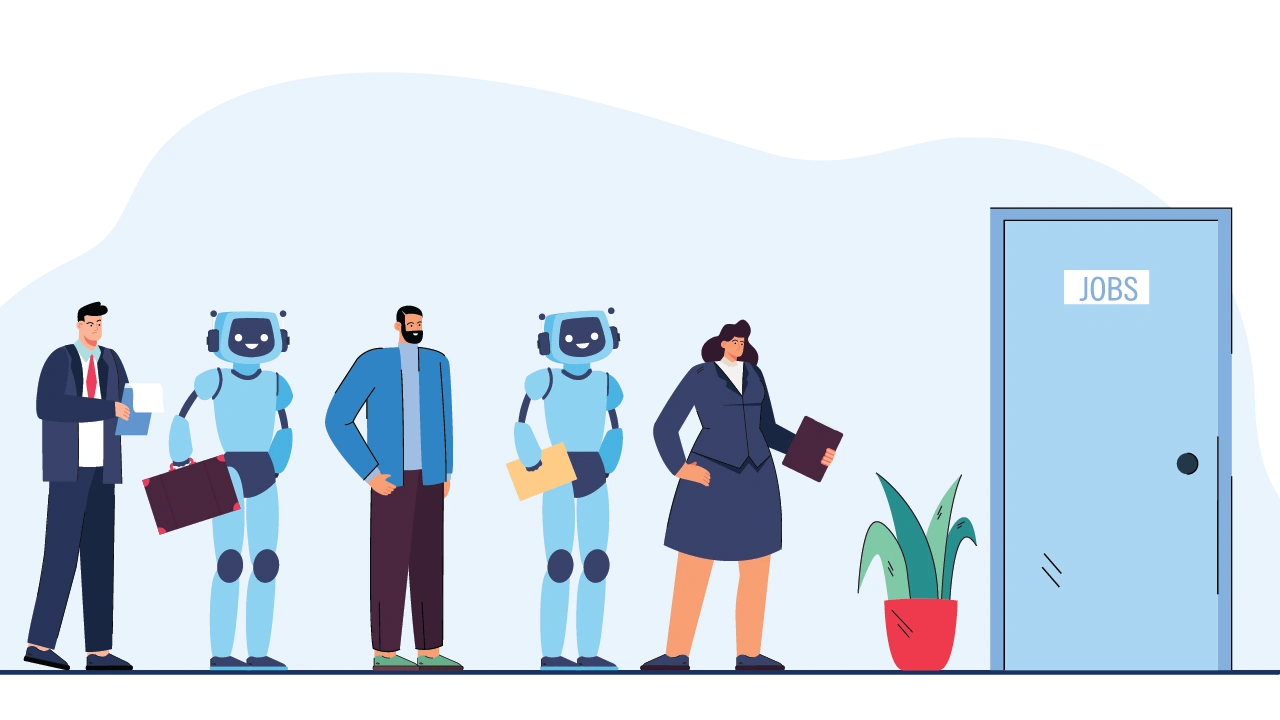
As artificial intelligence continues to reshape the workplace, a new frontier is emerging-one where human workers and AI agents...

The “Future of Work” is no longer a distant vision—it’s today’s reality. In 2025, global organizations are navigating a landscape...

In a world where distributed teams are the norm rather than the exception, the role of culture is under the microscope like never before...

We hear about AI everywhere - from headlines about job losses to promises of supercharged productivity...

In today's dynamic and often unpredictable business landscape, growth is the ultimate aspiration for small and mid-sized enterprises (SMEs)...